

The Linux Foundation appointed payments veteran Michael Hursta executive director of the x402 Foundation on October 1, 2026, as payment systems designed for autonomous AI agents gained attention. Foundation members reported more than 75 million agentic payment transactions in a 30-day period in September, and Coinbase and Amazon Web Services showcased production payment rails at Sibos 2026. Reported transaction counts, however, do not establish the value or commercial character of that activity. The emerging protocols address different obstacles. Coinbase’s x402 enables per-request USDC payments through HTTP, while Google’s Agent Payments Protocol uses signed mandates to connect an agent’s purchases to a user’s authorization. Stripe and Tempo have also proposed session-based billing through the Machine Payments Protocol. These approaches respond to card fees and interactive checkout checks that can impede small, automated transactions. Card networks are developing delegated-identity tools, leaving multiple potential paths for agent payments rather than a single replacement for existing rails.
Ramp partnered with Stripe and Bridge in July 2026 to deploy stablecoin rails for business bill payments and yield-bearing stablecoin accounts funded through standard fiat bank accounts. The arrangement shows how stablecoins can be incorporated into familiar payment workflows without requiring businesses to fund every transaction with digital assets. The economics depend on more than the cost of moving a token on-chain. Stripe charges merchants 1.5% for stablecoin checkout transactions, versus its standard card-processing fee of 2.9% plus $0.30; neither figure establishes the price of Ramp’s bill-payment service. Businesses receiving fiat may also face foreign-exchange and off-ramp costs, typically 0.3% to 2.0% when converting into local banking systems. Domestic clearing networks and compliance checks remain part of end-to-end delivery. Bridge’s issuance and transfer tools, alongside its conditional U.S. trust-bank approval, illustrate the infrastructure behind those payments—but not the elimination of every payment cost.
Mastercard opened developer early access for Agent Pay for Machines (AP4M) on October 20, 2026, releasing buyer- and seller-side APIs, a sandbox and developer toolkits. In a Cloudflare Connect demonstration, marketing agency Hype tested an autonomous agent making nine payments to two merchants within a single budget, without manual billing or account setup. AP4M uses HTTP 402 payment challenges, but differs from crypto-native implementations of the x402 protocol. Its agents issue digitally signed vouchers off-chain; merchants can batch and redeem them later instead of settling every request on-chain. The pilot combined agent wallet infrastructure from Coinbase Developer Platform and BVNK, settlement on Base, and Mastercard’s multi-currency fiat and stablecoin settlement platform. Circle separately expanded its managed payments service to target AI-agent traffic using USDC. Together, the developments show competing approaches to machine-to-machine payments, with different choices about settlement, funding and who manages digital assets.
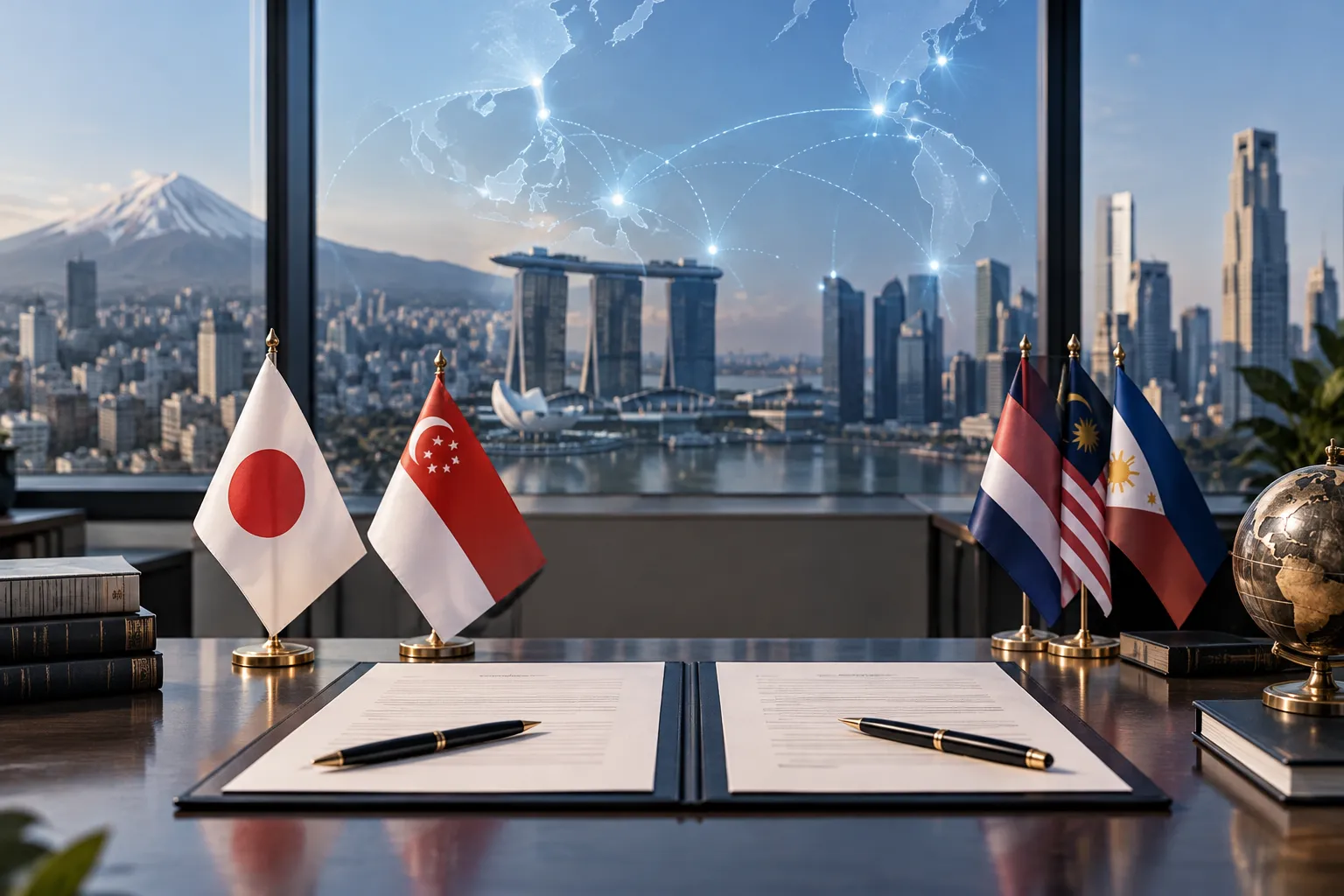
Sumitomo Mitsui Banking Corporation (SMBC) and Ant International signed a memorandum of understanding on October 26, 2026, to explore cross-border payments and digital treasury services. Their initial focus is Japan, Singapore and wider Southeast Asia. Engineering teams will examine whether Ant International’s Whale RTP platform can be integrated with SMBC’s institutional transaction banking and digital asset platforms. The agreement is exploratory, not the launch of a live settlement service. SMBC’s multi-market transaction banking rails are expected to support operations involving Ant International’s Alipay+, Antom and WorldFirst businesses. Ant International says its Whale platform processed more than US$600 billion in global treasury flows in 2025, with over 95% of transactions settling on the same day. Those figures describe the existing platform, not activity under the SMBC agreement. The MoU follows separate tokenized-deposit work involving Ant International and other banks, including a live OCBC solution and an HSBC pilot.

Visa launched a live pilot with BILL and Billtrust at Money20/20 USA in late October 2026 to test end-to-end B2B invoice payments executed by software agents. The agents act on invoices enterprise buyers have already approved; they do not decide which supplier payments to authorize. Visa’s Trusted Agent Protocol and Agentic Directory are designed to authenticate those agents when they access supplier and merchant portals without shared credentials or manual human login. Separately, Visa has put Commercial Payment Controls into production for eligible issuers in supported regions, allowing businesses to set limits and restrictions on corporate spending. The company plans general availability of Commercial Virtual Authentication and Commercial Supplier Validation in 2027 after pilot completion. Its SESA 2.0 analytics platform has identified more than $600 billion in potentially cardable supplier spend. The pilot tests whether approved invoice payments can be executed through automated workflows while preserving buyer-defined controls.
Mastercard and Visa are advancing different approaches to AI-initiated business payments. At Cloudflare Connect, Mastercard demonstrated an agent making nine payments across multiple service providers under one authorized budget. It also opened early developer access to Agent Pay APIs, a sandbox and toolkits. Visa expanded its commercial agentic suite around a BILL and Billtrust pilot, alongside spend analytics and fraud tools. The distinction is how each approach constrains the agent. Visa’s pilot lets an agent pay invoices that buyers have already approved, using its Trusted Agent Protocol to navigate supplier-portal security without sharing underlying login credentials. Mastercard is testing controls for machine-to-machine transactions, including signed vouchers, agent verification and a score intended to estimate whether an incoming transaction was AI-initiated. Both efforts leave a consequential question for business payments: how responsibility should be assigned when an authorized agent follows its technical instructions but breaches a procurement condition.